Personal R&D
Tech: openFrameworks · point cloud · 3D printing
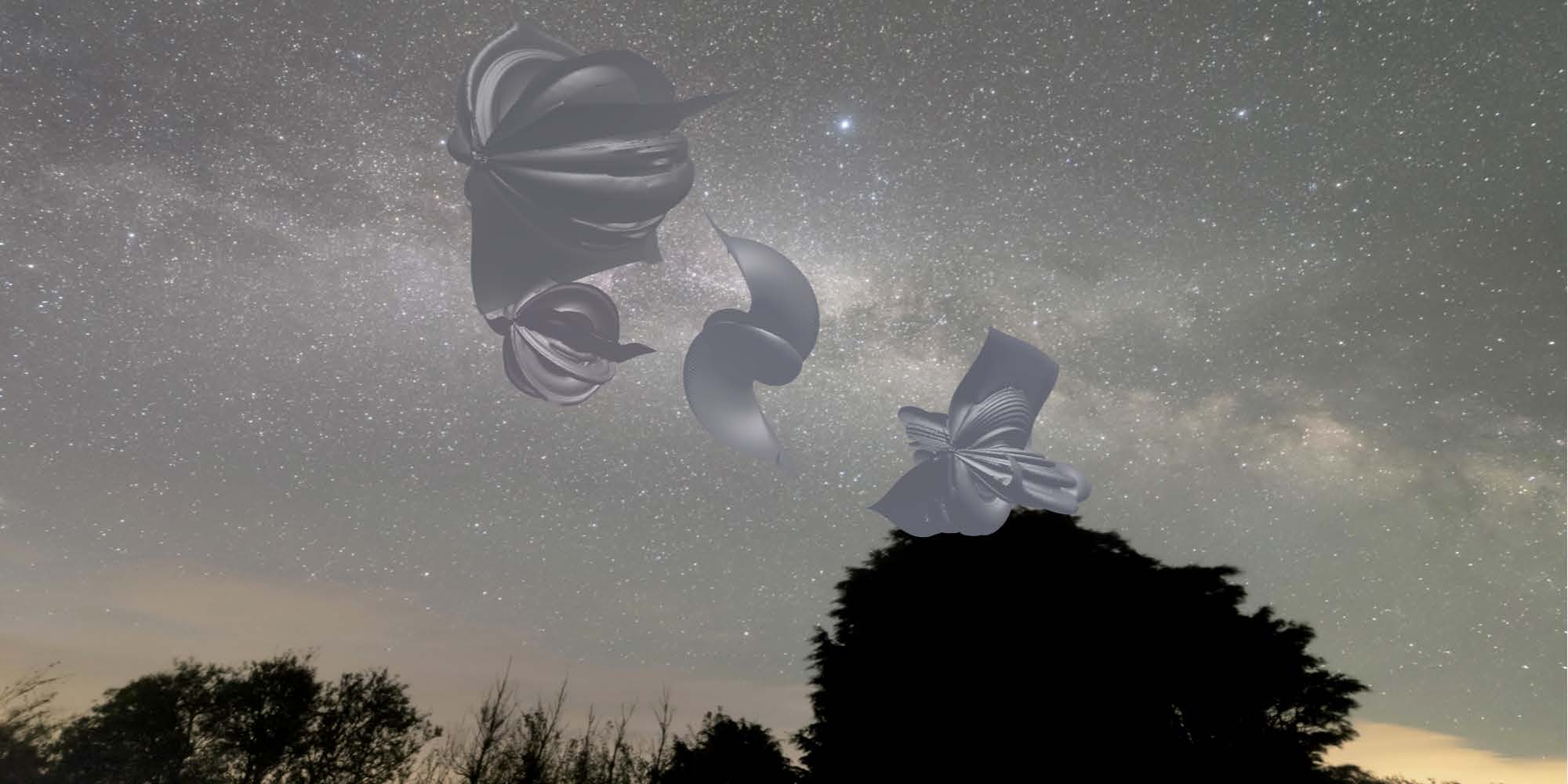
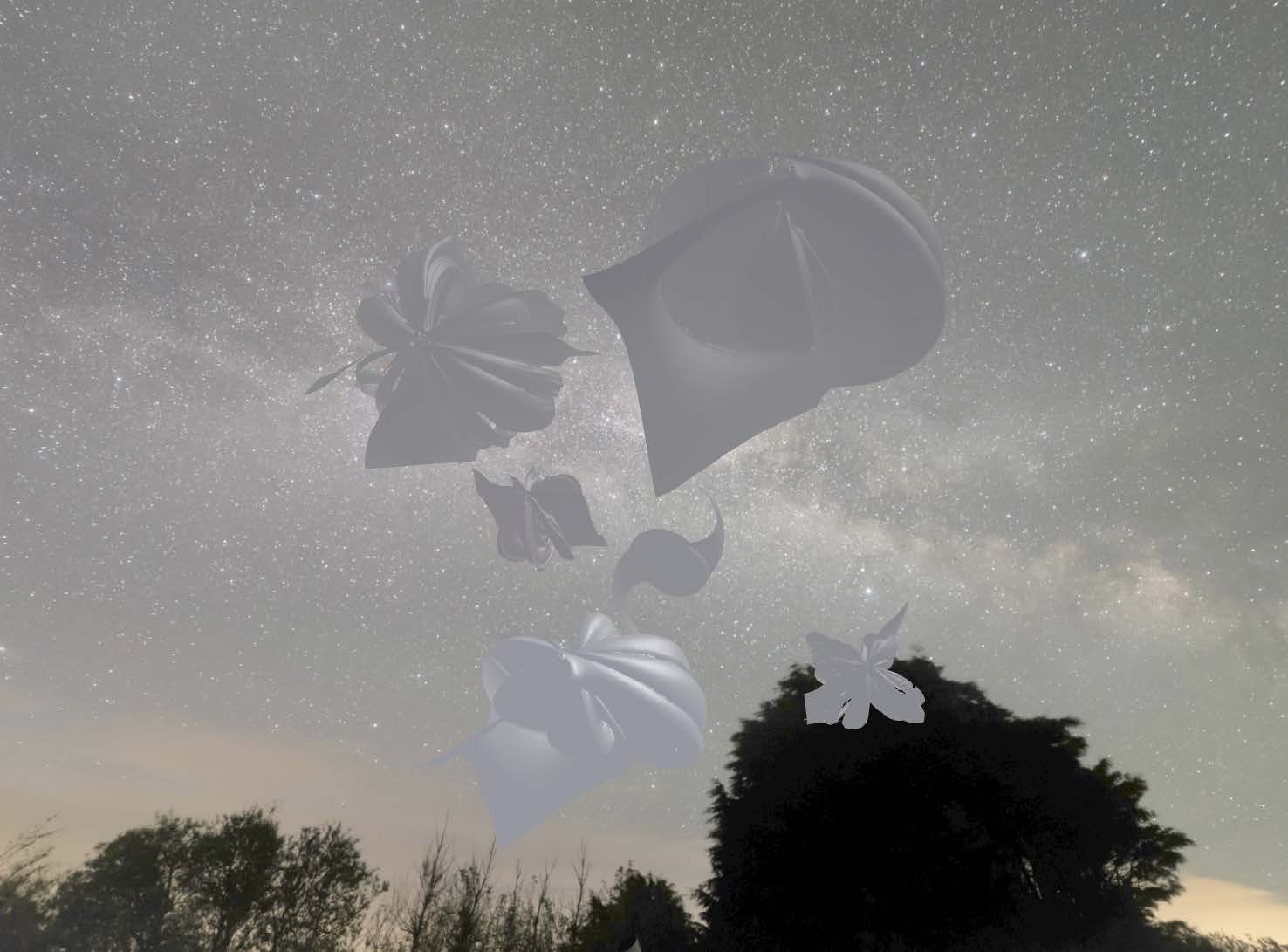
2017 saw the release of the UFO files, carefully tracked by the Ministry of Defense for over 60 years. In these archives can be found incredibly detailed drawings, scribbles and doodles, and stories of people who wanted to tell a story, following the craze of the time. Growing up watching X-Files and Men in Black, my attention was immediately drawn to a book showcasing the art of these sightings. Strange shapes and vague descriptions, bringing a smile to the reader's face. I, too, wanted to commemorate the cultural relevance of UFO sightings
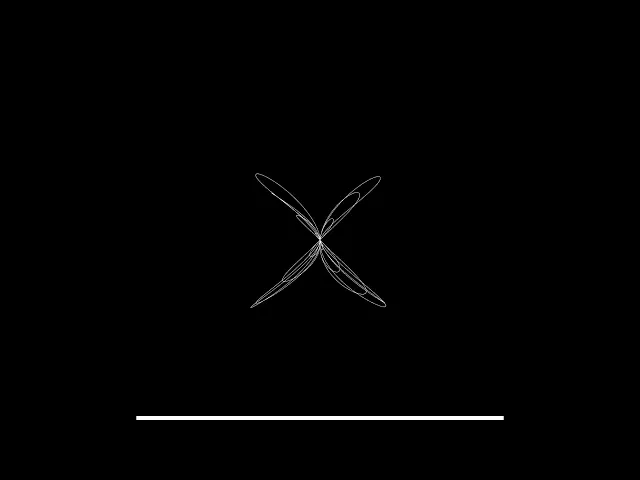
I was playing around with rose curves, trying to transcribe their equation in 3D and in openFrameworks, and thought they could be the perfect match. Regular and similar, somewhat repetitive, but also a thing of beauty and wonder. I hopped on the government's website to get my hands on some of the reports, converted them as JSON files, and started exploring. Extracting the size of each data entry, checking which year was busier than the rest, I adapted and tweaked the rhodonea program I had made before. After various attempts at mesh creation and extraction, the most interesting results came from this pipeline: -> JSON to ofx.-> ofx generates a point cloud mesh.-> said mesh is then manually added to meshLab, to be reconstructed with various. parameters to best suit the individual shapes.-> the new mesh is exported as an OBJ, and tested in Cura. The meshes are an amalgamation of circular disks and shapes, and don't always print very well. I exclusively use recycled and biodegradable filaments, meaning the printing process needs to be very slow.
I considered adding more complexity and chaos to the shapes, but didn't like the outcome. The current UFOs look like strange little vessels, maybe like plant seeds even, and I prefer their organic softness. Having a human input and interpretation is also part of the UFO sighting process, after all!